

โครงการศึกษา Brutalist สู่การออกแบบพิพิธภัณฑ์แห่งความหวัง (Hope Museum)
The Study of Brutalist Architecture Towards the Design of the Hope Museum

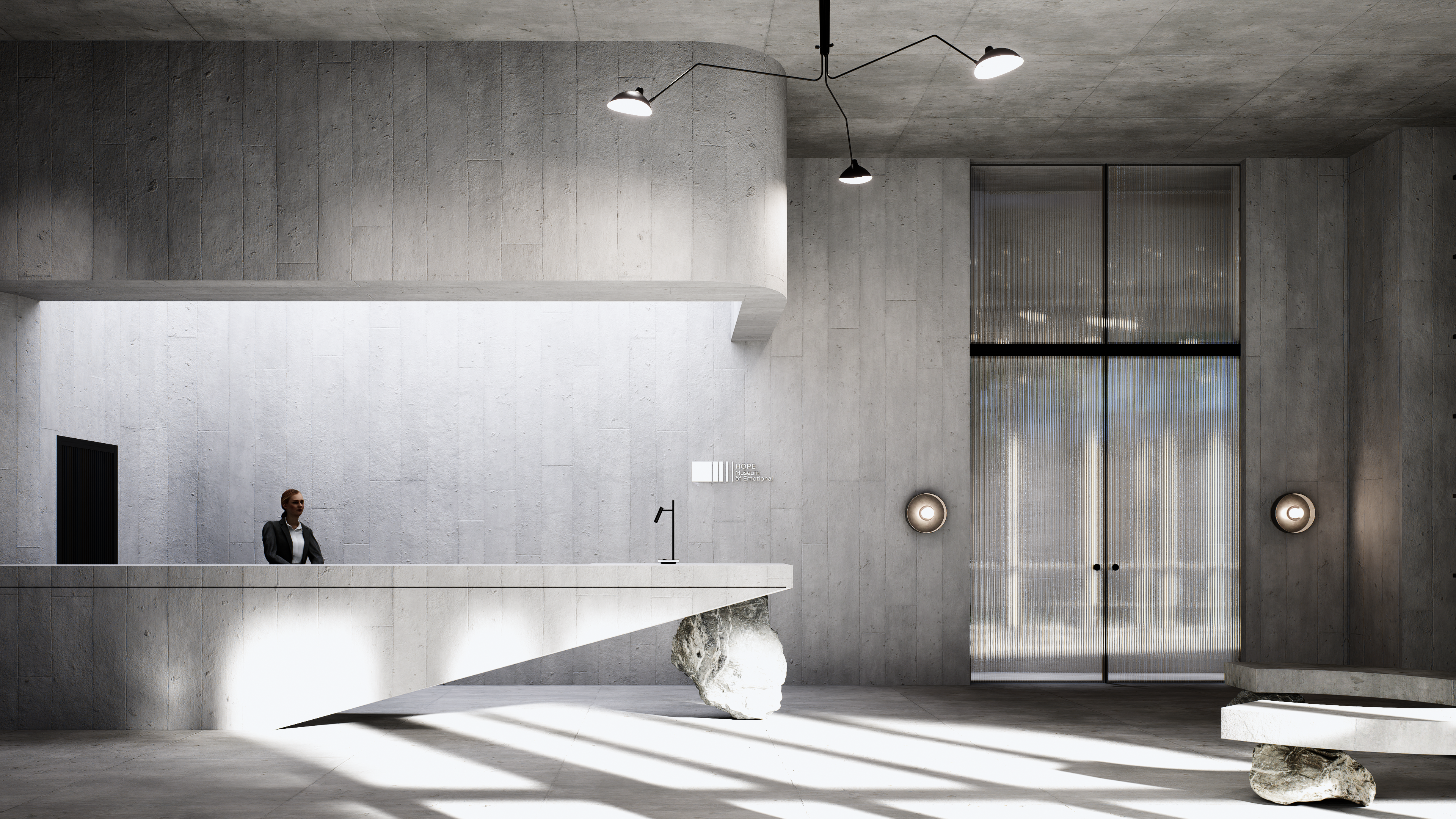
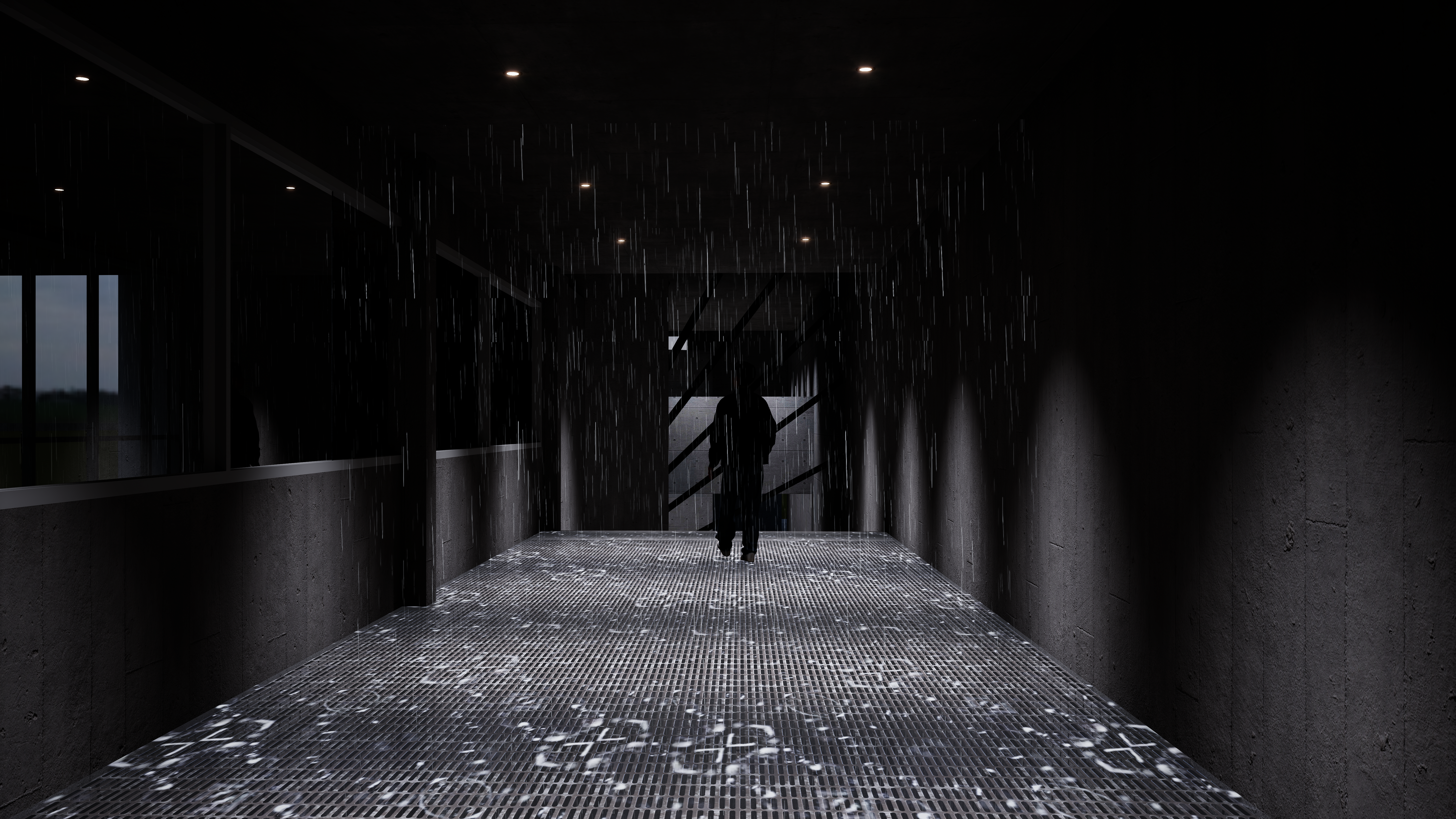
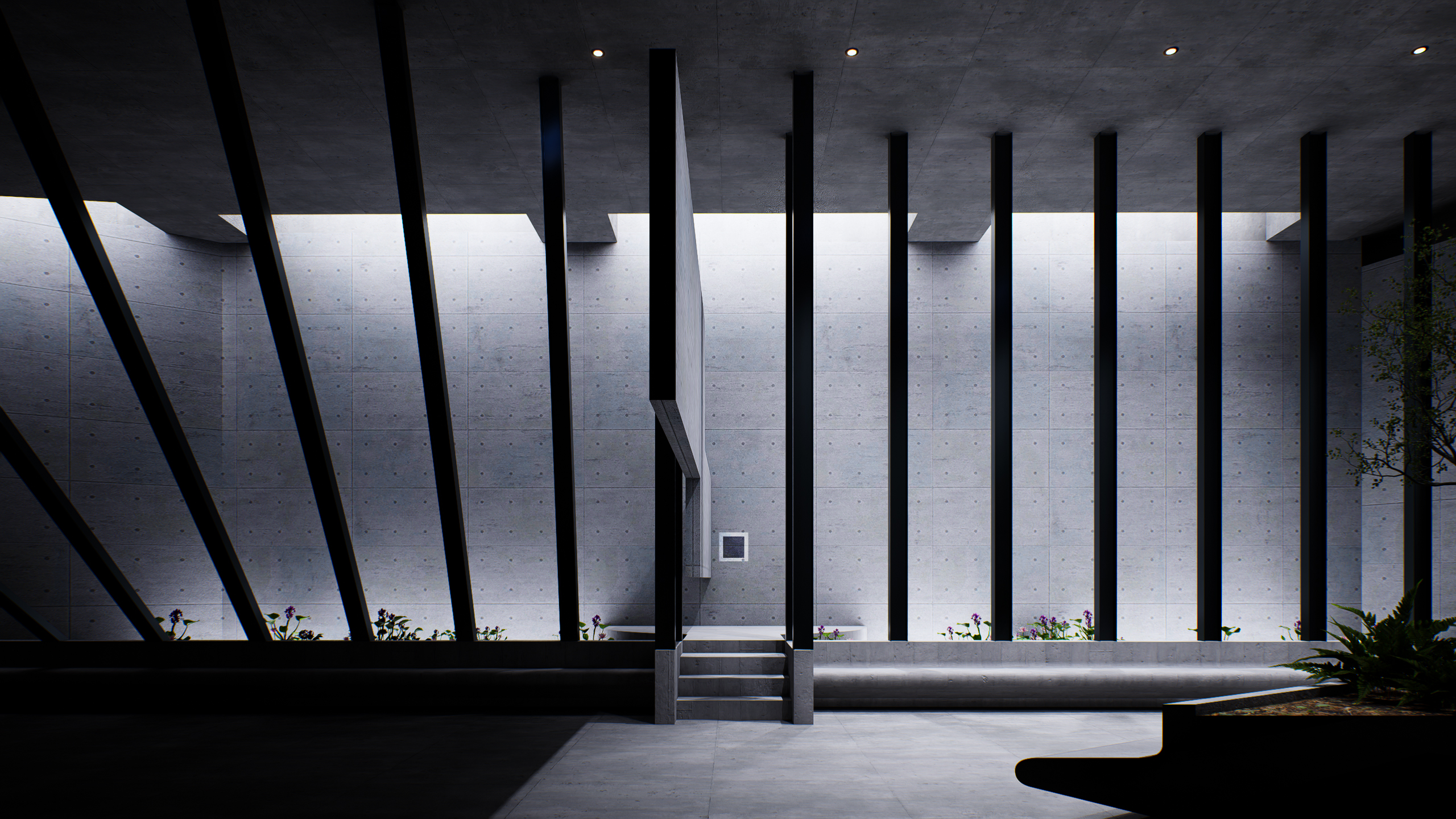
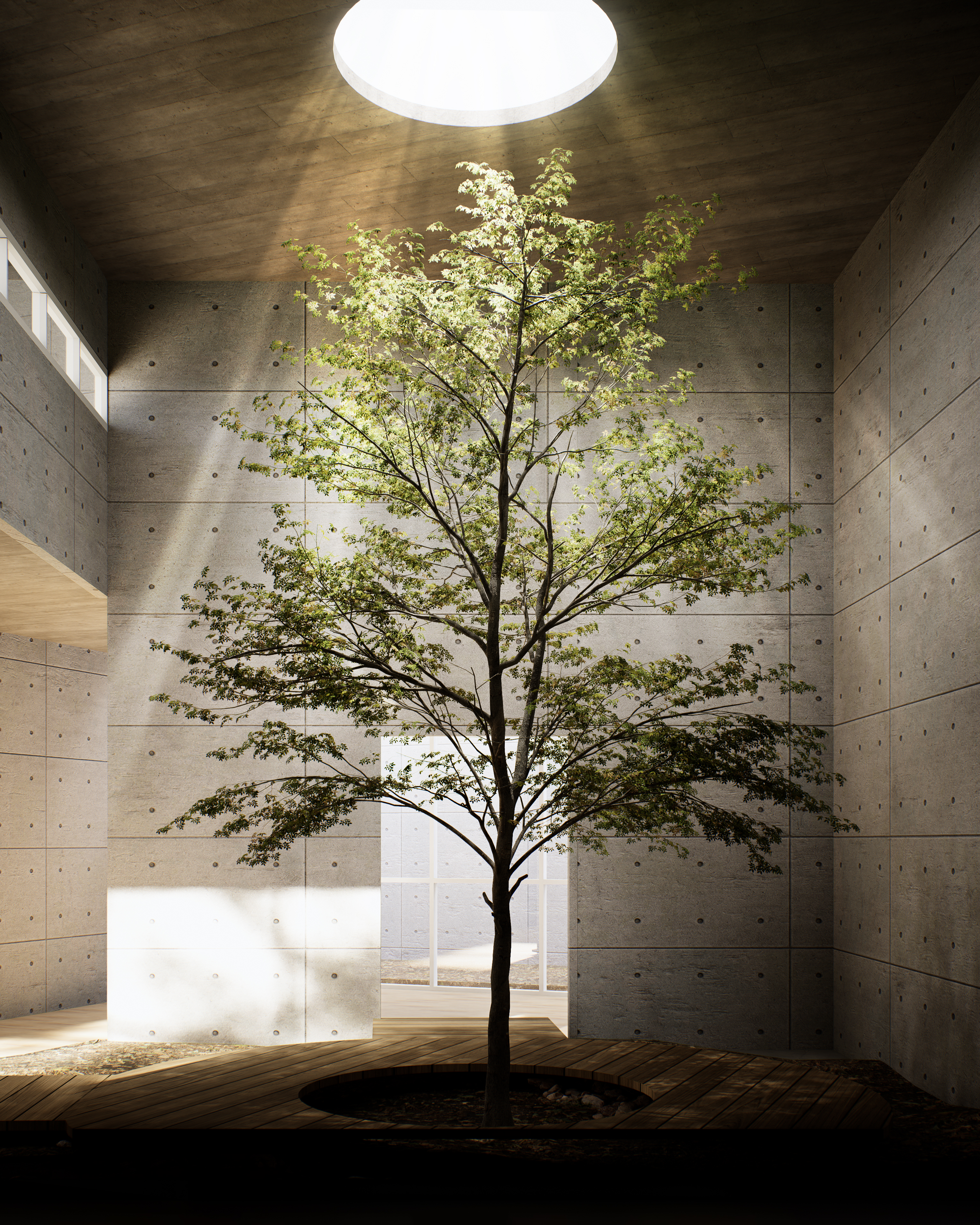
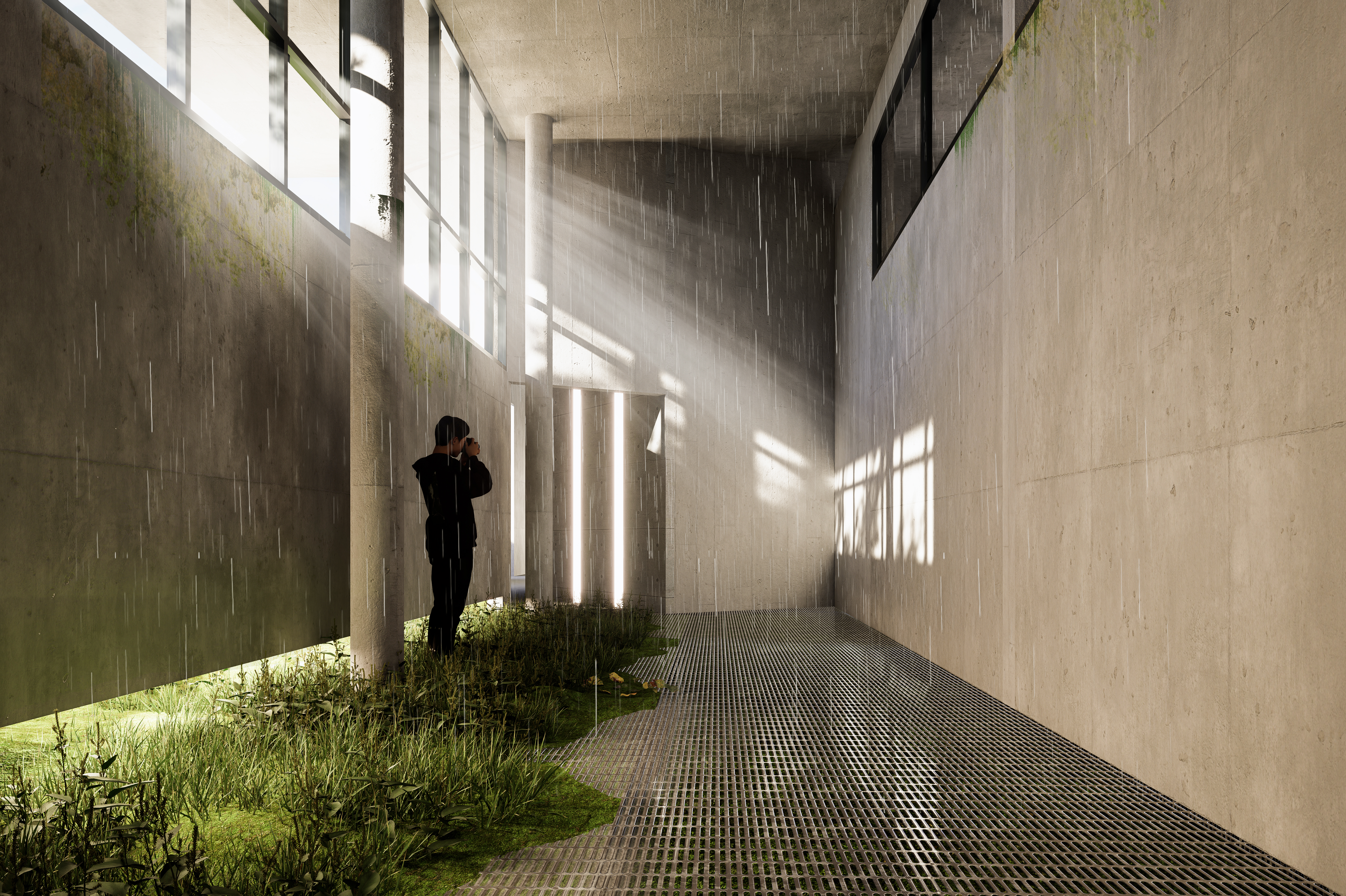
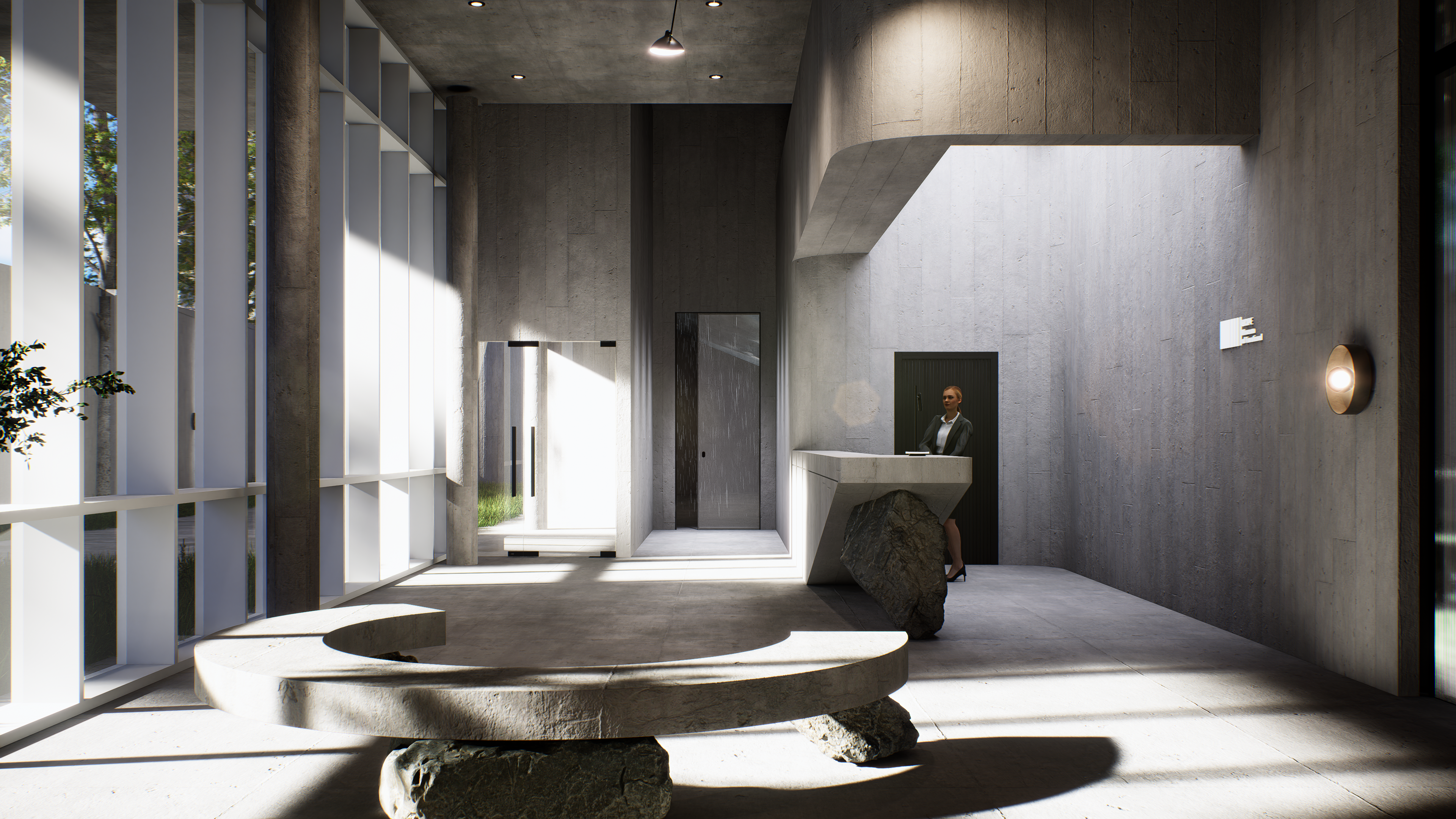
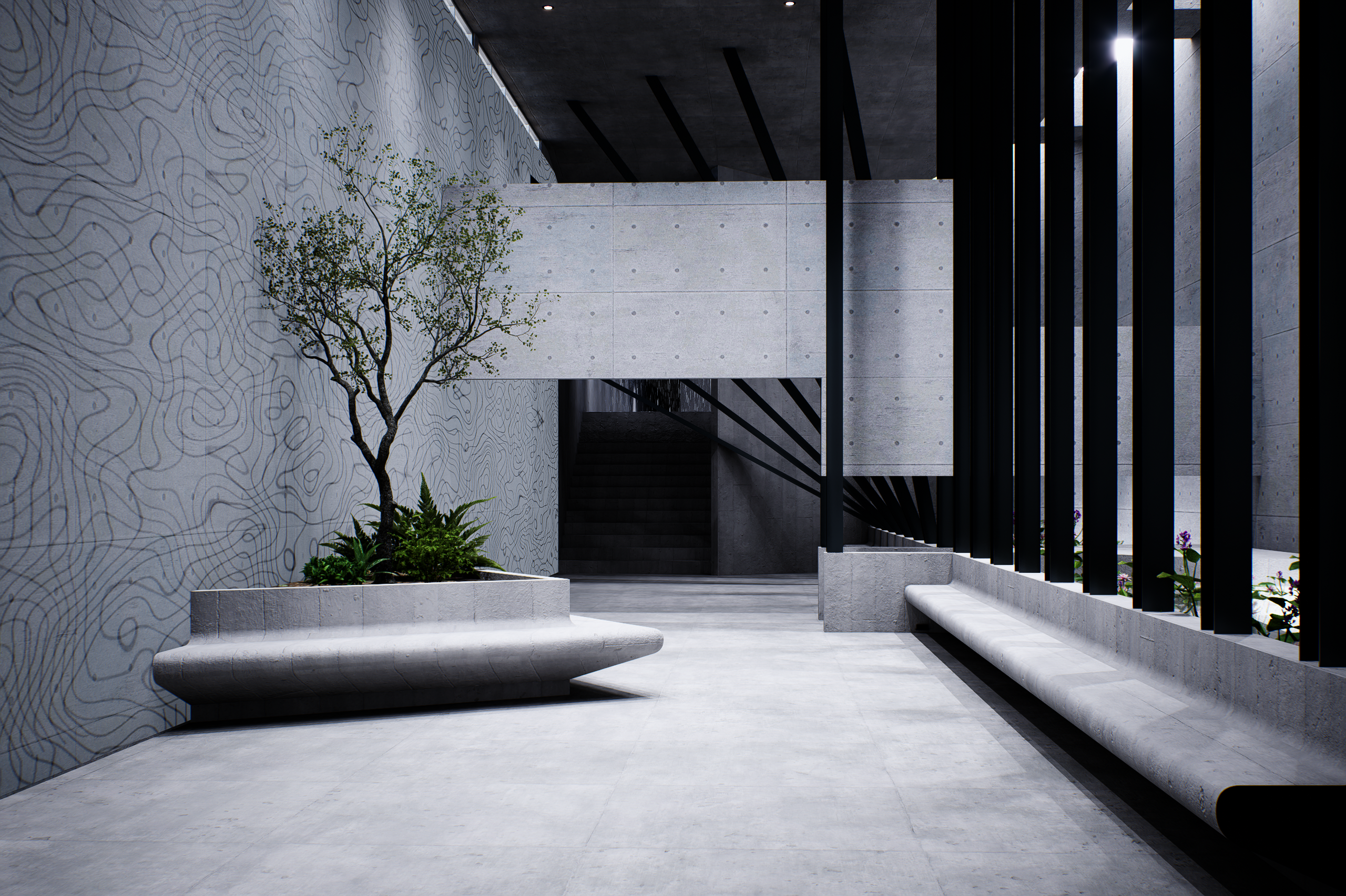
“แข็งกระด้าง ก้าวร้าว อัปลักษณ์” คือคำที่ถูกกล่าวตลอดระยะเวลาที่ผ่านมาของ Brutalist Architecture ตั้งแต่ปี ค.ศ. 1950 เป็นหนึ่งในสไตล์ที่รูปลักษณ์แสดงถึงความทรงพลัง ความใหญ่โต จังหวะ การรับรู้เชิงพื้นที่ภายใน และการเล่าผ่านสัจจะวัสดุ โดยมีบทบาทในโลกสถาปัตยกรรมในช่วงยุคหลังสงครามโลก โดยเริ่มต้นมาจากการได้ศึกษาความเป็นมาของรูปแบบสถาปัตยกรรมสไตล์ Brutalist ที่กำเนิดมาเพื่อเป็นศูนย์พักพิงหรือพื้นที่เยียวยาของผู้ที่ได้รับผลกระทบจากสงครามโลกครั้งที่ 2 มาตีความผ่านบริบทของยุคสมัยที่แตกต่างกัน ในยุคที่ความเครียดและกังวลล้วนเป็นสิ่งที่เกิดขึ้นรอบตัว จึงได้ศึกษาเกี่ยวกับความรู้สึกด้าน Positive Emotions และ Negative Emotions โดยจะมีตัวแปรใดบ้างที่สามารถนำพื้นที่ของสถาปัตยกรรมมาออกแบบพื้นที่ให้จาก Negative Emotions นำไปสู่ Positive Emotions ในพื้นที่ จึงไปนำไปสู่ “The Distinction“ ที่เล่าถึงความแตกต่างในความรู้สึก พื้นที่ และการรับรู้ในการออกแบบภายใต้ตัวแปรการเปลี่ยนแปลงทางอารมณ์และประสาทสัมผัส มุ่งหวังที่จะสร้างการรับรู้ที่แตกต่างกันในแต่ละพื้นที่
"Harsh, aggressive, and ugly" are the words often used to describe Brutalist Architecture since the 1950s. As one of the most distinctive architectural styles, it embodies a sense of strength, massive scale, rhythm, spatial perception, and storytelling through raw materials. Emerging in the post-war era, Brutalism played a significant role in shaping the architectural landscape of its time.
The project began with a study of the origins of Brutalist architecture, which initially emerged as shelters or spaces for healing those affected by World War II. This architecture style was later reinterpreted through the lens of different eras, particularly in the context of today’s pervasive stress and anxiety. The research delved into the concepts of Positive Emotions and Negative Emotions, exploring the variables that could transform architectural spaces into environments that shift experiences from Negative Emotions to Positive Emotions.
This exploration led to “The Distinction,” a concept highlighting the differences in emotions, spaces, and perceptions through design, guided by variables of emotional and sensory transformation. The goal is to create spaces that evoke distinct emotional responses and perceptions in each area.


Published: